





How to Become a Forklift Operator: Training, Certification and Job Opportunities
To become a forklift operator, you need to acquire the knowledge and practical skills required to operate a forklift truck, handle loads safely, inspect equipment and identify workplace hazards. Enrolling in a forklift operator training course and successfully completing an appropriate assessment are key steps towards entering this profession.
What does a forklift operator course cover, why is certification important and how can you choose suitable training in Baku? This guide addresses these questions in detail.
Who Is a Forklift Operator and What Do They Do?
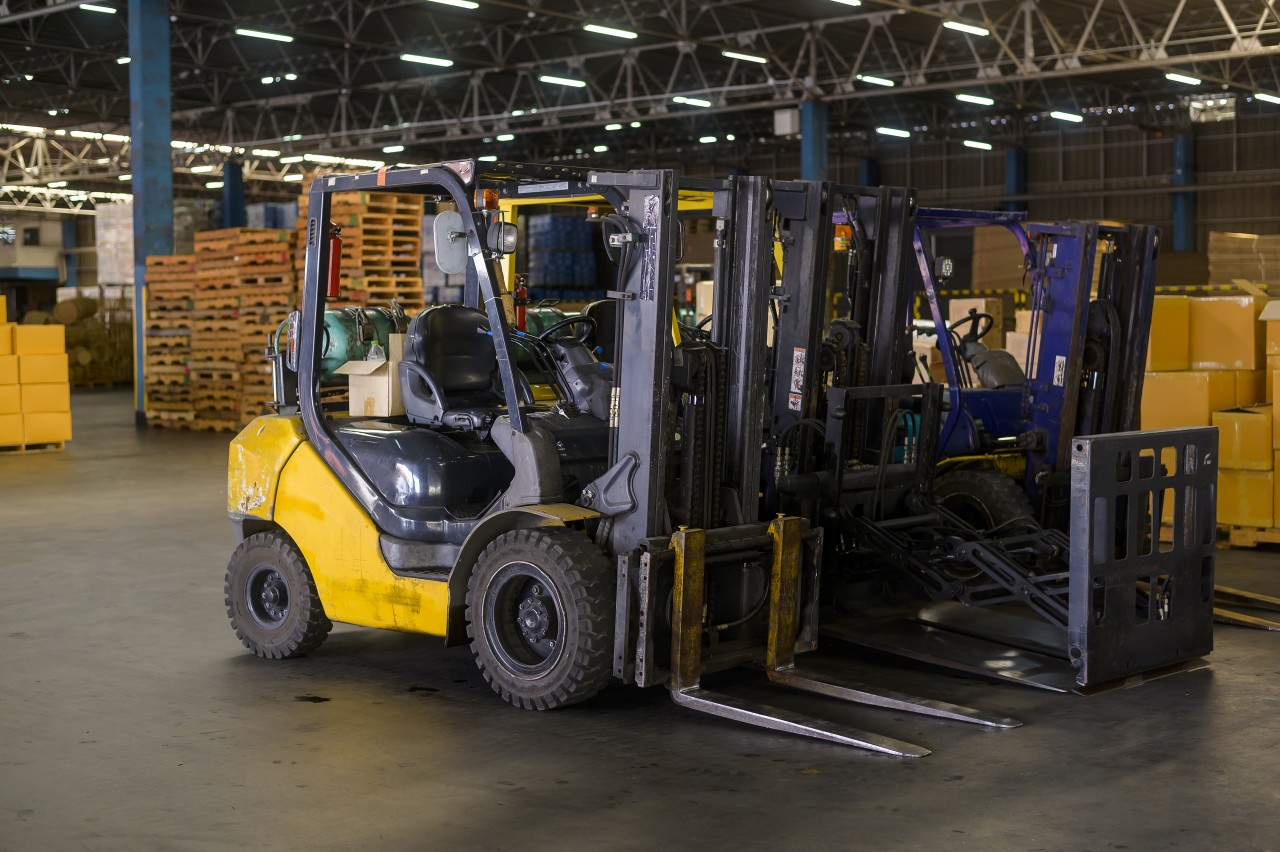
A forklift operator is a trained industrial truck operator responsible for lifting, transporting and positioning loads using a forklift truck in warehouses, logistics centres, manufacturing facilities and other workplaces.
The main responsibilities of a forklift operator include:
-
Transporting palletised loads.
-
Placing loads in designated storage areas.
-
Performing loading and unloading operations.
-
Conducting pre-use forklift inspections.
-
Complying with the equipment's rated lifting capacity.
-
Maintaining awareness of pedestrians and other moving equipment.
-
Reporting identified defects to the responsible person.
Operating a forklift is different from driving a conventional vehicle. Forklift steering characteristics, centre of gravity and stability when travelling with loads require specialised knowledge.
How to Become a Forklift Operator
Anyone planning to become a forklift operator can approach their professional training in a structured manner.
1. Identify the Type of Forklift You Will Operate
Not all forklifts have the same design or operating characteristics.
Different types of forklift trucks may be used in workplaces, including:
-
Counterbalance forklift trucks.
-
Narrow-aisle forklift trucks.
-
Reach trucks used in warehouse operations.
-
Electric and internal combustion engine forklifts.
The type of equipment used in the workplace influences the content of the training programme. Training on one forklift category does not automatically establish competence to operate every other type.
2. Enrol in a Forklift Operator Training Course
A forklift training course should provide participants with an understanding of equipment characteristics, operating principles and essential safety requirements.
When selecting a course, it is important to confirm that practical training is provided alongside theoretical instruction.
International approaches to operator training emphasise that competence should be assessed not only through knowledge retention but also through the ability to operate equipment safely.
3. Develop Practical Operating Skills
Theoretical instruction helps operators understand how forklifts function. Practical training focuses on applying this knowledge during actual operating activities.
Training may cover the following skills:
-
Conducting pre-use equipment inspections.
-
Travelling with and without loads.
-
Manoeuvring in confined spaces.
-
Safely picking up, transporting and placing loads.
-
Managing restricted visibility.
-
Stopping and parking the forklift safely.
Practical sessions should be conducted under the supervision of a competent instructor, using appropriate equipment and in a safe training environment.
4. Have Your Knowledge and Skills Assessed
Successfully answering theoretical questions alone does not demonstrate that an operator can safely operate a forklift.
An appropriate assessment should cover both theoretical knowledge and practical operating competence.
After successfully completing the training, participants should confirm the type of certificate or document issued, the equipment categories covered, the certification conditions and its intended scope of recognition.
5. Complete Workplace-Specific Training
Completing a forklift operator course may not be sufficient to begin all operating activities immediately at a particular workplace.
The employer should verify that the operator is familiar with the specific forklift model, site traffic rules, types of loads handled and company safety procedures.
For example, operating a forklift in a large open area presents different risks from working in a warehouse with narrow aisles.
What Is Covered in a Forklift Operator Training Course?
A comprehensive forklift training programme should extend beyond teaching operators how to move the equipment forwards and backwards.
The programme should ideally include the following subjects:
| Training Topic | Knowledge and Skills Acquired |
|---|---|
| Forklift components and controls | Identifying major components, operating controls and warning indicators |
| Lifting capacity | Understanding the relationship between load weight, load centre and the equipment's rated capacity |
| Stability | Identifying conditions that may cause a forklift to overturn |
| Daily inspections | Recognising signs of defects and equipment damage |
| Safe operation | Manoeuvring, maintaining visibility and protecting pedestrians |
| Loading and unloading | Safely picking up, transporting and positioning loads |
| Emergency procedures | Reporting hazardous situations and following workplace emergency procedures |
The actual training programme may vary depending on the forklift category, participants' previous experience and the requirements applied by the training provider.
What Is a Forklift Operator Certificate and Why Is It Important?
A forklift operator certificate is a document confirming the completion of a particular training programme or successful performance in a relevant assessment. Exactly what it certifies depends on the issuing organisation and the programme requirements.
For employers, certification can provide useful evidence of the training completed by a candidate.
However, holding a certificate should not be interpreted as unrestricted authorisation to operate all forklift models in every working environment.
What Is AITT Forklift Certification?
AITT stands for the Association of Industrial Truck Trainers, a UK organisation associated with training standards and quality assurance for industrial truck operations.
When considering an AITT-associated forklift training programme, it is important to verify the training provider's current status, the equipment category covered by the certificate and the procedure for verifying the qualification.
IST offers a course listed on its website as Forklift, Çəngəlli yükləyici AITT certified. Prospective participants can contact IST directly to confirm the latest programme requirements.
What Should You Consider When Choosing a Forklift Operator Course?
Individuals looking for forklift training in Baku should not base their decision solely on course fees.
Before enrolling, it is useful to ask the training provider the following questions:
-
Which forklift categories are covered? The equipment used during training should be relevant to your intended job.
-
Does the course include practical training? Hands-on experience is essential for developing safe operating skills.
-
How is competence assessed? Find out how theoretical knowledge and practical skills are evaluated.
-
What certificate or document is issued? Confirm its title, scope and verification arrangements.
-
Who is the course intended for? Beginners and experienced operators may have different training needs.
-
What are the course duration and fees? Request up-to-date information in writing from the training centre.
These questions are equally useful for individual participants and companies organising corporate forklift training for their employees.
Essential Safety Rules for Forklift Operators
Safe forklift operation depends on the operator's competence, the condition of the equipment and effective workplace organisation.
Inspect the Equipment Before Use
Forklifts should be inspected before operation in accordance with the manufacturer's instructions and the company's procedures.
Operators should pay attention to the condition of the tyres, forks, mast, hydraulic components and other relevant systems.
If a defect that could affect safe operation is identified, the forklift must not be used, and the defect should be reported in accordance with established procedures.
Never Exceed the Rated Lifting Capacity
A forklift's rated lifting capacity is specified in the equipment's technical documentation and capacity information.
In addition to the load weight, factors such as load centre, lifting height and the use of attachments can affect the equipment's safe operating limits.
Ensure Pedestrian Safety
The risk of collisions between forklifts and pedestrians requires particular attention in areas where industrial trucks operate.
Where reasonably practicable, vehicle and pedestrian routes should be physically segregated, pedestrian crossings clearly marked and appropriate controls introduced in areas with restricted visibility.
Consider Hazardous Working Conditions
Narrow aisles, uneven surfaces, ramps, poor lighting and unstable loads can introduce additional risks.
In such situations, the work activity should be assessed in advance, and appropriate risk control measures should be implemented.
Where Can Forklift Operators Work?
Forklift operating skills are used across a variety of industries and working environments.
These include:
-
Warehouses and logistics centres.
-
Manufacturing facilities.
-
Wholesale and distribution warehouses.
-
Construction material storage facilities.
-
Cargo terminals and other freight-handling facilities.
Employment opportunities depend on vacancy requirements, the candidate's experience, the type of equipment used and any additional competencies.
Completing a forklift training course does not automatically guarantee employment or a particular salary.
Where Can You Take Forklift Operator Training in Baku?
The Forklift, Çəngəlli yükləyici AITT certified course offered by Industrial Support and Training Services (IST) is one option for individuals seeking forklift operator training.
The course is listed under the international training category on IST's official website.
Before registering, prospective participants should confirm the current course duration, fees, language of instruction, practical training arrangements, entry requirements and certification details directly with the training centre.
Corporate clients can also request information about programmes suited to the forklift categories operated by their employees and the particular requirements of their workplaces.
Frequently Asked Questions About Forklift Operator Training
Can Beginners Enrol in a Forklift Operator Course?
Training programmes are available for individuals with no previous forklift operating experience. However, the entry requirements and suitability of a particular course for beginners should be confirmed with the training provider.
How Long Does a Forklift Operator Course Take?
Course duration depends on the participant's experience, forklift category, training programme and amount of practical instruction required. For accurate information about IST's current course duration, contact the training centre directly.
Is a Driving Licence Sufficient to Operate a Forklift?
A conventional driving licence does not replace the specialist training required for safe forklift operation. Any legal authorisation or documentation requirements applicable to the specific equipment and workplace should be verified separately.
Can a Forklift Operator Certificate Help You Find a Job?
A certificate confirming relevant training and assessment may help demonstrate a candidate's preparation. Employment ultimately depends on the vacancy requirements, practical competence and the employer's assessment.
How Long Is a Forklift Operator Certificate Valid?
Validity depends on the type of certificate, the issuing organisation's requirements and applicable regulations. It would be incorrect to assume that all forklift certificates have a single internationally recognised validity period.
Conclusion
Becoming a forklift operator involves much more than learning to drive a piece of equipment. Operators must understand load stability, equipment limitations, workplace hazards and safe operating procedures.
When choosing a forklift training course, particular attention should be paid to practical instruction, competence assessment and the scope of the certificate issued.